Ph.D. Candidate, Drexel University
Biogeochemical, Hydroedaphic, and Biological Conditions in Dredge-Restored Salt Marshes in Coastal New Jersey
The Seneca Award
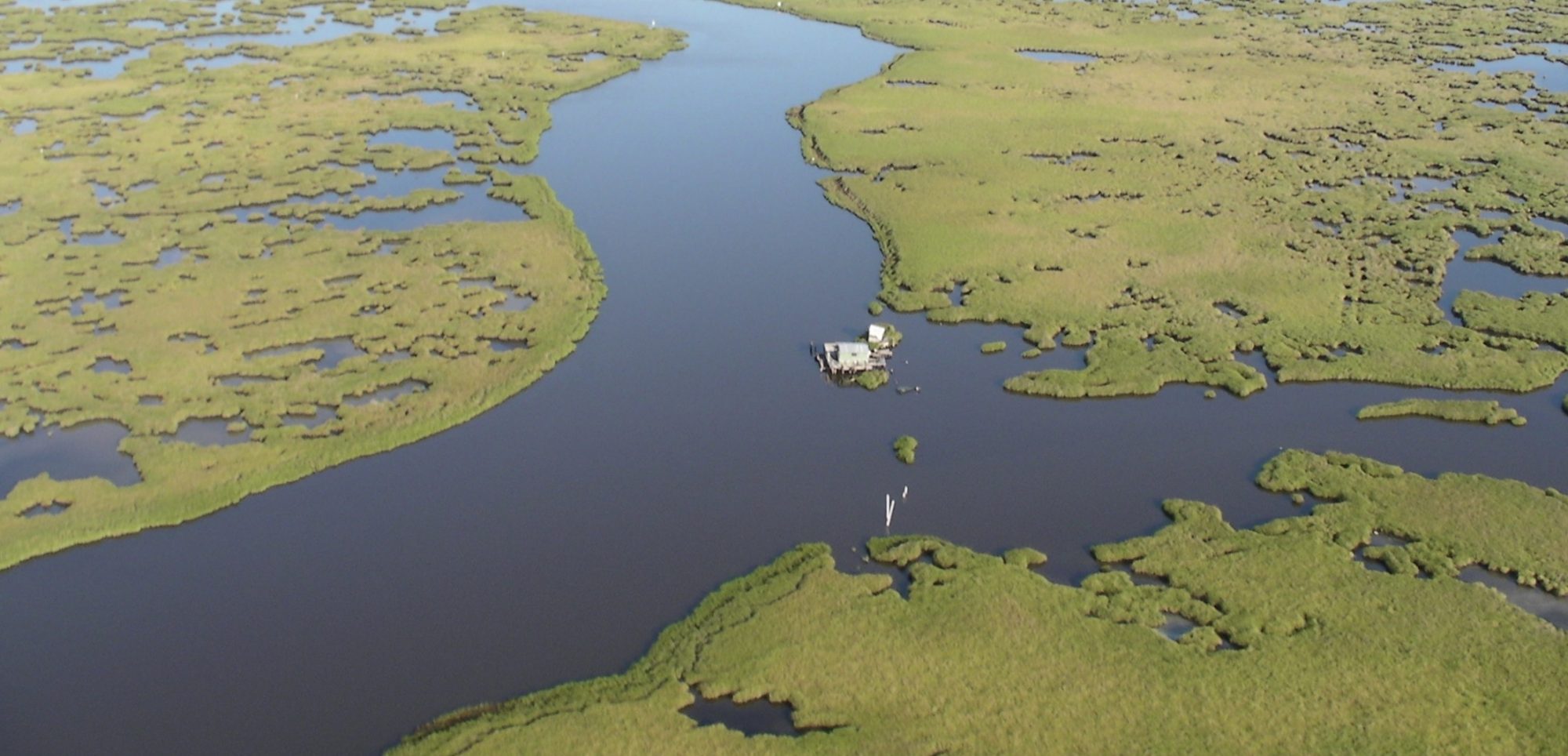
“I aim to investigate differentiate success in dredge restored salt marshes in coastal New Jersey. Dredge restoration is becoming an increasingly common approach in the region to restore salt marshes by using dredge spoil to amend the elevation of salt marshes. There are many examples of these restorations being successful in some areas of the marsh, while other areas remain unvegetated. Vegetation cover is very important for salt marsh longevity and productive vegetation maximizes ecosystem services (flood mitigation, storm surge reduction, sediment capture). Therefore, I plan to survey the biogeochemical, hydroedaphic, and biological conditions of four dredge restored salt marshes of differing ages and two natural marshes in the Central New Jersey area to elucidate what determines a successful versus unsuccessful restoration. I will focus specifically on comparing factors in unvegetated and vegetated areas of the same salt marsh. Sampling at each site will occur over two days back-to-back. Preliminary analysis indicated that sediment compaction, salinity, and elevation are the main determinants of success. A broader survey including a range of restored marsh ages and natural marshes will provide rigorous data sets to compare across factors. Ultimately, I hope this research will inform management approaches to salt marsh restoration across the Mid-Atlantic, increasing vegetation cover and overall success of restoration, providing increased protection and ecosystem services to local communities.”